

5 min read
Aug 27, 2026 – Solar power has moved from a niche technology to one of the main choices for new electricity generation almost anywhere in the world. Its pace of growth is staggering; it took twelve years for global solar deployment to cross 100 gigawatts, then another ten years to reach 1 terawatt. In 2026 — fewer than five years after that milestone — total deployment passed 3 terawatts. Solar equipment costs have fallen so far, and traditional electricity prices risen so much, that solar is now being deployed in places once considered too remote, too dark, or too cold to justify the investment.
While this achievement is widely celebrated by renewable energy advocates, that same speed of growth has created a new problem: transmission and distribution networks haven’t kept pace with solar deployment.
Grids were traditionally built around steady, dispatchable power. Now they’re being asked to absorb surges of solar output they simply can’t handle. Infrastructure to store that excess energy is essential to delivering on the promise of green energy: displacing fossil fuels and passing the savings from cheaper, more sustainable renewables on to consumers.
But expanding the grid to match this new reality is notoriously difficult. Builders of new transmission lines and accompanying equipment are hindered by years of permitting, planning inquiries, possible local opposition, and huge capital outlays.
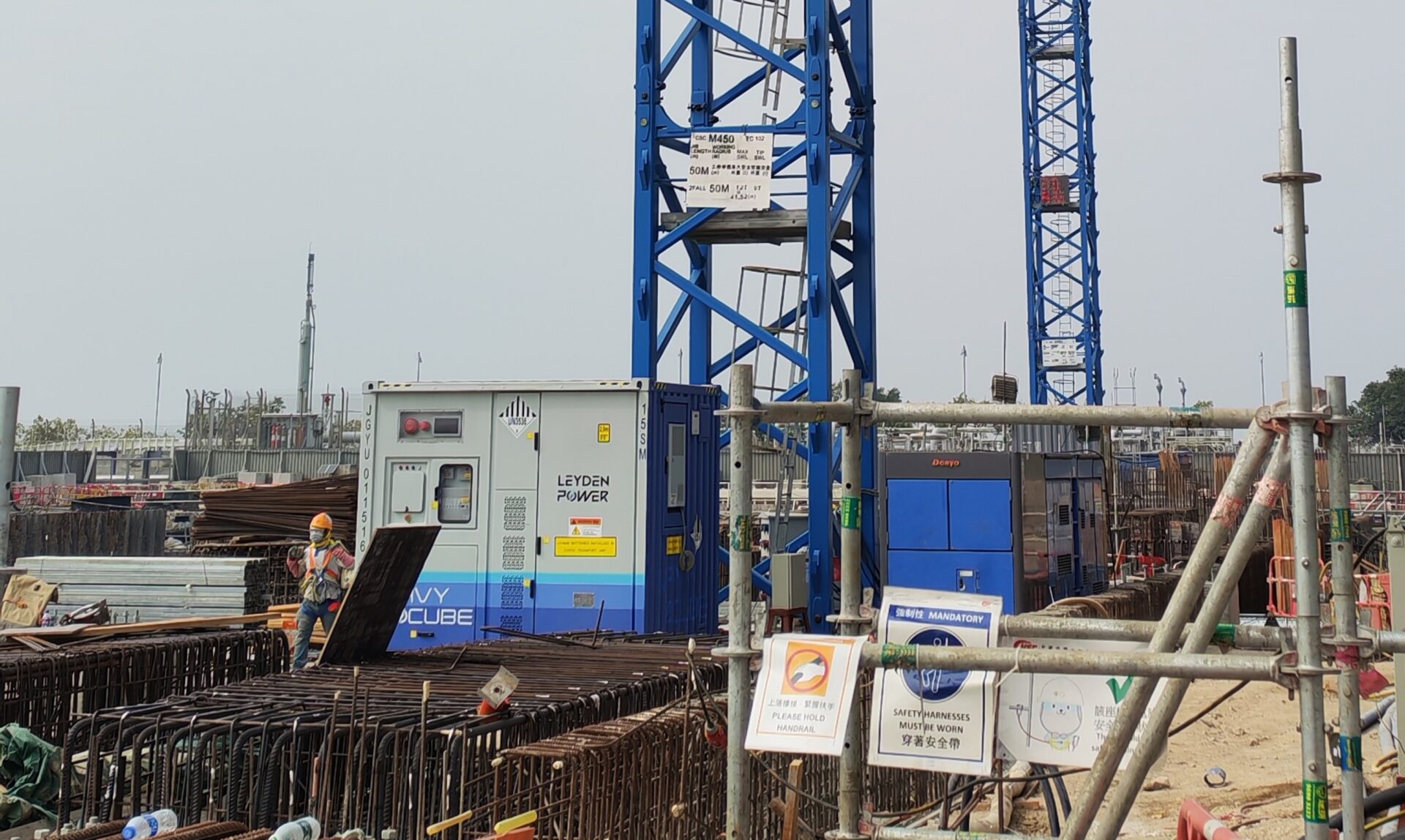
The problem is what Battery Energy Storage Systems (BESS) are built to solve. Rather than waiting years, BESS directly separates the timing of energy production from the timing of energy use, giving operators far more flexibility in how the energy is deployed.
Solar output is concentrated in a narrow midday window, while electricity demand is more variable, happening even after the sun has gone down. Batteries can charge from the solar surplus that would otherwise go to waste and discharge during the hours when prices are highest. For arbitrageurs, a charged BESS could sell its power back to the grid during peak hours, capturing the spread between solar power availability and peak power demand.
Weather conditions are a huge factor in solar generation and can cause abrupt shifts in output. When the voltage or frequency from solar generation exceeds operational thresholds, grid operators curtail generation to prevent these fluctuations from propagating across the transmission network. BESS that can respond to milliseconds to load changes can be deployed as an intermediary to smooth the ramps before they reach the main grid. As solar share grows, this fast-response capability becomes essential to prevent outages and maintain grid reliability.
Building new transmission lines, substations, and interconnections is slow, capital-intensive, and subject to years of permitting. Batteries, by contrast, are modular: they can be deployed incrementally, sited close to where the constraint exists, and scaled up as renewable penetration grows. As more solar comes online, the location and severity of strains may shift. A battery fleet is suited for expansion or redeployment to follow these changes; a stark contrast to a transmission upgrade that’s fixed the moment it’s built. That makes storage the faster, more capital-efficient lever available to grid operators today.
A generation asset only delivers its full value once there’s a way to hold and redeploy the power it produces outside its own operating hours. Adequate energy storage is key to maximizing solar’s potential.
This shift is already visible in how renewable energy is contracted. Power purchase agreements pairing renewable generation with battery storage are increasingly displacing standalone renewable deals. Buyers are no longer satisfied with a contract for generation alone; they want enhanced flexibility that storage provides.
Every unit of power generated without a corresponding investment in storage increases the amount at risk of being wasted.
The next phase of the energy transition won’t be about how much renewable capacity gets built. Rather, it will be defined by how much of that capacity the grid can actually put to use. Storage is the infrastructure that makes the difference.
Follow our page for more energy news and connect with our team to explore how Battery Energy Storage Systems (BESS) could improve operations on your site.
2 min read June 25, 2026 - Leyden Power is proud to announce that we have been honore...
1 min read June 25, 2026 - Together with Genswitch Solutions Pte Ltd, Leyden Power ha...
2 min read June 2, 2026 - When industry leaders, investors, academics, and students...